
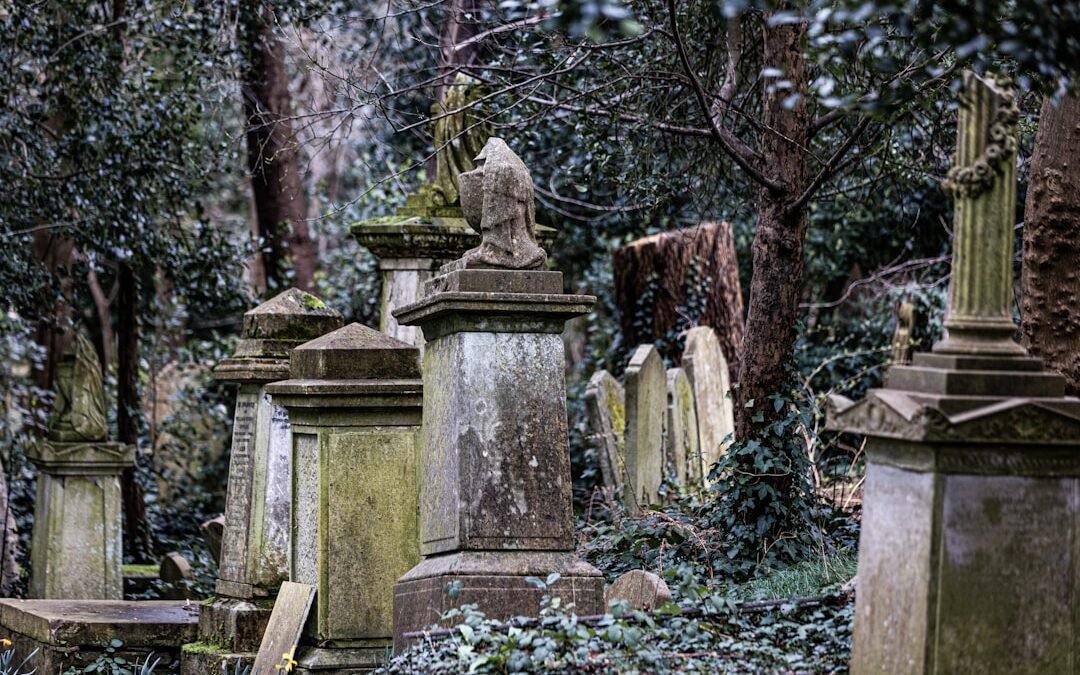
Sutton Coldfield Cemetery, opened in 1893 on Rectory Road in the heart of the town, is one of the finest examples of Victorian municipal cemetery design in the West Midlands. Its Gothic Revival chapel, mature tree-lined avenues, and serene landscaped grounds contain the graves of over a century of Sutton Coldfield’s inhabitants – from Victorian industrialists and civic leaders to soldiers of two world wars and generations of ordinary local families. Currently ranking in the top ten results for “sutton coldfield cemetery” searches, this guide covers the cemetery’s history, its most notable memorials, and the resources available to those researching family history in the archives.
History of the Cemetery
By the late nineteenth century, the rapid expansion of Sutton Coldfield as a prosperous Birmingham suburb had placed the ancient churchyard of Holy Trinity Parish Church under severe pressure. Like many Victorian towns, Sutton faced an urgent need for a new burial ground that could accommodate a growing population in a manner befitting the era’s increasingly elaborate funerary culture.
The decision to establish a new municipal cemetery was made by the Sutton Coldfield Local Board of Health in the late 1880s. A site on Rectory Road was selected: approximately 14 acres of land on the edge of the then-developing town, convenient for the centre but sufficiently removed to be appropriate for its purpose. The cemetery was designed in the Victorian Gothic style that was standard for municipal burial grounds of the period, with a pair of chapels – one Anglican, one Nonconformist – flanking a central drive, formal tree-lined sections, and designated areas for different religious denominations.
The cemetery opened in 1893 and quickly became the primary burial ground for the Royal Town. Its registers from the opening year to the present day constitute an unbroken record of Sutton Coldfield’s dead – a resource of incalculable value to family historians.
Architecture and Features
The cemetery’s most striking features are its Victorian Gothic chapels, built in red brick with decorative stone dressings and lancet windows typical of the Gothic Revival style. The Anglican chapel, the larger of the two, features a modest tower and retains much of its original character. The Nonconformist chapel to the north is somewhat simpler in design but equally atmospheric. Both chapels are used for funeral services and are maintained by Sutton Coldfield Town Council, which manages the cemetery.
The main avenue leading from the Rectory Road entrance is flanked by mature lime and plane trees, several of which date to the cemetery’s opening years and have reached impressive proportions. The formal Victorian sections nearest the entrance contain the most elaborate Victorian and Edwardian memorials: tall obelisks, draped urns, weeping angel figures, and chest tombs in polished granite and Portland stone. Further from the entrance the character becomes less formal, with simpler headstones and lawn sections introduced in the twentieth century.
Notable Graves and Memorials
The cemetery contains memorials to a number of figures significant in Sutton Coldfield’s local history:
Municipal leaders: Several former Mayors and aldermen of the Royal Municipal Borough of Sutton Coldfield (established 1886) are buried in the cemetery, their graves often marked by substantial Victorian family tombs in the formal sections nearest the main chapel. Their names recur in the street names and public buildings of the town.
WWI and WWII graves: A dedicated section of the cemetery contains Commonwealth War Graves Commission (CWGC) headstones for servicemen and women from both World Wars, maintained to the Commission’s high standards with white Portland stone markers and regular grounds maintenance. These graves are a moving reminder that many of those named on the nearby war memorial are also buried here, having died of wounds or illness rather than in the field.
Victorian industrialists: Sutton Coldfield’s late Victorian and Edwardian expansion was driven by successful Birmingham businessmen who chose to make their homes in the town’s desirable suburbs. Several are commemorated in the cemetery by substantial family vaults and polished granite obelisks.
Researching Your Ancestors
Sutton Coldfield Cemetery is a rich resource for genealogical research, and a growing number of researchers visit each year seeking information on their family history.
On-site research: The cemetery office on Rectory Road holds burial registers from 1893 to the present day. Searches by name and approximate date of death can be carried out by cemetery staff during office hours. A small fee may apply for a formal search.
Birmingham Archives and Collections: The Library of Birmingham on Centenary Square holds a comprehensive collection of local genealogical records including parish registers, census records, local newspaper archives (the Sutton Coldfield News is particularly valuable for obituaries and death notices), and records from the old Sutton Coldfield Municipal Borough.
Online resources: The Commonwealth War Graves Commission (cwgc.org) has a searchable database of all First and Second World War burials in the cemetery. Deceased Online (deceasedonline.com) holds digitised burial registers for many UK cemeteries and may include records for Sutton Coldfield Cemetery – check their coverage. Find A Grave (findagrave.com) and BillionGraves hold volunteer-submitted photographs and transcriptions of many Sutton Coldfield Cemetery memorials.
FreeBMD: The Free BMD project (freebmd.org.uk) provides free access to civil registration records of births, marriages, and deaths in England and Wales from 1837 onwards, indexed from the General Register Office records. This is usually the first resource to consult when researching Sutton Coldfield ancestors.
Opening Hours and Practical Information
Sutton Coldfield Cemetery is located on Rectory Road, Sutton Coldfield, B75 7RR. It is managed by Sutton Coldfield Town Council. The cemetery grounds are open daily during daylight hours throughout the year. The cemetery office has more limited hours; contact the Town Council for current details before making a research visit.
Parking is available on Rectory Road and in adjacent streets. The cemetery is approximately 15 minutes’ walk from Sutton Coldfield town centre and railway station, and is served by local bus routes along Rectory Road.
Visitors are asked to respect the peaceful character of the cemetery, keep dogs on leads, and follow any guidance from cemetery staff regarding access to specific sections.