
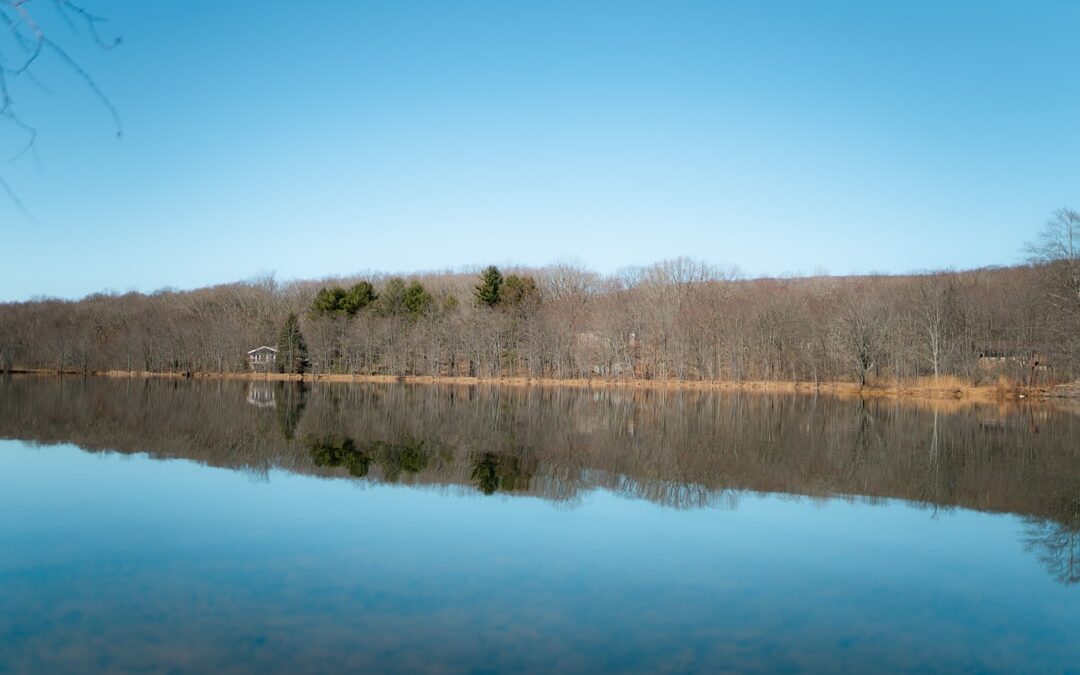
Powell’s Pool is the largest of the seven pools within Sutton Park, Birmingham’s National Nature Reserve, covering approximately 30 acres of open water surrounded by woodland and heathland in the south-western section of the park. It is one of the most visited natural features in the whole of the West Midlands, drawing anglers, walkers, birdwatchers, and families in large numbers throughout the year. Whether you are planning a fishing trip, a two-mile lakeside walk, or simply an afternoon watching great crested grebes on the open water, Powell’s Pool is one of Sutton Coldfield’s greatest natural assets.
Location and How to Get There
Powell’s Pool lies in the south-west of Sutton Park, closest to the Keeper’s Pool Gate and the Banners Gate entrance on Banners Gate Road. The pool is also accessible from Streetly Gate on Streetly Lane (A454) to the south-west, and from Wyndley Gate via a pleasant 20-minute walk through the centre of the park.
By car, the most convenient parking for Powell’s Pool is Banners Gate car park on Banners Gate Road (B74 4BT), which gives direct access to the south-western section of the park. Streetly Gate car park on Streetly Lane (B74 3AD) is another option for approaching from the south. Both charge a modest fee operated by Birmingham City Council. By public transport, bus services from Sutton Coldfield town centre serve Banners Gate Road.
The Walking Circuit
The circular walk around Powell’s Pool is approximately 2 miles in length and is one of the most popular walking routes in Sutton Park. The path hugs the shoreline for most of its circuit, offering constantly changing views across the open water and into the fringing woodland and reed beds.
Starting from Banners Gate, follow the path east along the southern shore. This stretch gives the broadest open-water views and is the best section for watching wildfowl on the pool. At the eastern end, the path swings north through a section of oak and birch woodland before emerging on the northern shore, where the pool narrows and the character becomes more enclosed and intimate. The northern path crosses the inlet stream – listen here for kingfisher. The western shore curves back south through open heathland, completing the circuit back to Banners Gate.
The path surface varies: the southern and eastern sections are on firm gravel and are suitable for pushchairs and wheelchairs in dry conditions. The northern bank becomes muddier after rain and is best tackled in walking boots. The full circuit takes approximately 45-60 minutes at a comfortable walking pace.
For a longer walk, Powell’s Pool circuit connects naturally with paths leading north to Keeper’s Pool and east to Wyndley Pool, allowing for extended half-day routes of 4-6 miles through the full range of Sutton Park’s habitats.
History of Powell’s Pool
Like all of Sutton Park’s pools, Powell’s Pool originated as a medieval water feature, created by damming a stream to form a mill or fish pond. The name is believed to derive from the Powell family, local landowners who held property in the area during the post-medieval period, though the precise origin of the name is not definitively recorded.
The pool’s management has evolved over the centuries from a productive fishing resource serving the local economy to a recreational and ecological asset managed for the benefit of both wildlife and the public. Birmingham City Council, which manages Sutton Park as a National Nature Reserve and Site of Special Scientific Interest (SSSI), maintains the pools and their surrounding habitats through a programme of ongoing conservation management.
Fishing at Powell’s Pool
Powell’s Pool is one of the designated fishing waters within Sutton Park. Fishing is permitted subject to holding a valid Environment Agency (EA) rod licence, which is required for all freshwater fishing in England. Day permits and season permits for Sutton Park fishing are available from Birmingham City Council’s parks service.
The pool supports a healthy and varied coarse fish population. Species present include:
- Bream: Good-sized bream are regularly reported from Powell’s Pool, particularly from the deeper sections near the dam.
- Tench: Tench are a popular summer target; dawn and dusk sessions in June and July are most productive.
- Perch: Perch are widespread throughout the pool, with some larger specimens reported from the inlet stream area.
- Carp: Both common carp and mirror carp are present, with fish to double figures caught by experienced anglers.
- Roach and Rudd: Shoaling species available across the pool; good for general float fishing.
The fishing banks are accessible at a number of points around the pool. Keep-nets are subject to local rules; consult Birmingham City Council’s current fishing bye-laws before fishing. Barbless hooks are strongly recommended, and fish care standards should be maintained at all times.
Birdwatching
Powell’s Pool is the best birdwatching location in Sutton Park, combining open water for diving and surface-feeding wildfowl with extensive marginal reed beds and fringing woodland that support a wide variety of species.
Great crested grebe: Usually present year-round, with pairs nesting in the marginal vegetation. The elaborate head-shaking and weed-presentation courtship display is one of the most remarkable wildlife spectacles the Midlands has to offer, visible from February onwards.
Tufted duck: Present throughout the year, with numbers increasing in winter when birds move in from northern and eastern Europe. Dives repeatedly for invertebrates and plant material.
Grey heron: Herons are regularly seen standing motionless at the pool margins or in the shallows. A breeding colony exists within Sutton Park.
Kingfisher: Kingfishers frequent the inlet streams and vegetated margins, though they require patience to observe well. The flash of electric blue along the northern bank is one of the great birding rewards of the circuit walk.
Little grebe (dabchick): The smaller relative of the great crested grebe, often heard before it is seen – a descending whinny from the reed bed margins.
Autumn migration brings occasional unusual species to the pool; rarities recorded over the years include osprey, black-necked grebe, and Slavonian grebe.
Facilities and Practical Information
There are no cafe or toilet facilities immediately adjacent to Powell’s Pool. The nearest facilities are at Wyndley Leisure Centre (approximately 1.5 miles from Banners Gate) and at the Streetly Gate kiosk (seasonal, check availability). The Stonehouse Pike pub on Streetly Lane is a popular post-walk stop, a short distance outside Streetly Gate.
Dogs are welcome on the circuit path but must be kept under close control. The pool margins and reed beds are important nesting habitat; dogs should be kept away from the water’s edge during spring and early summer to avoid disturbing nesting birds.