
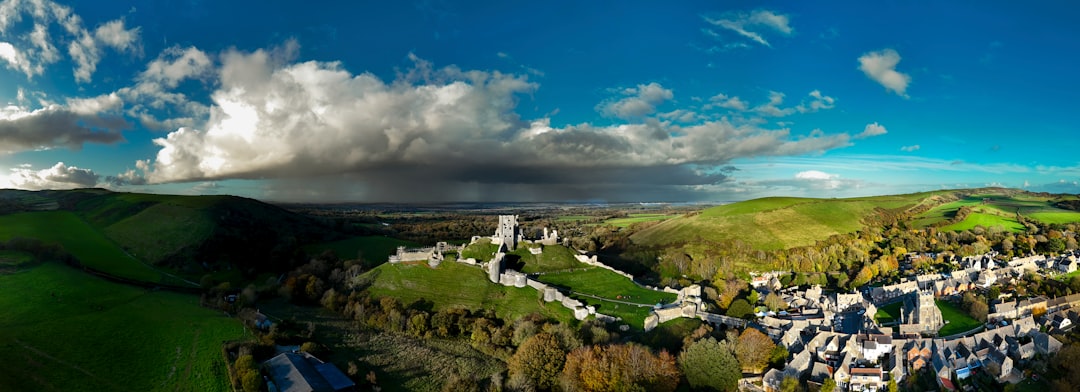
What is Sutton Coldfield?
Sutton Coldfield is a large town in the West Midlands, located approximately 8 miles north of Birmingham city centre. It forms part of the Metropolitan Borough of Birmingham but retains a distinct identity as a Royal Town – a status granted by King Henry VIII in 1528 through the efforts of the local bishop John Vesey.
Known locally simply as “Sutton”, the town is home to around 100,000 people and is consistently ranked as one of the most desirable places to live in the West Midlands. It combines excellent transport links into Birmingham with a notably green and spacious environment – anchored by Sutton Park, one of the largest urban nature reserves in Europe.
Sutton Park: The Heart of the Town
Sutton Park is the defining feature of Sutton Coldfield – a 2,400-acre National Nature Reserve sitting within the urban area. It contains ancient woodland, heathland, wetlands, and seven pools of varying sizes. The park has been a place of recreation for Birminghamians for centuries and is now managed by Birmingham City Council as a Site of Special Scientific Interest (SSSI).
The park’s seven pools – Powell’s Pool, Blackroot Pool, Bracebridge Pool, Keeper’s Pool, Wyndley Pool, Longmoor Pool, and Boldmere Pool – each have their own character. Powell’s Pool is the largest at around 30 acres, while Blackroot Pool has been recommended by The Guardian for outdoor swimming. The park also contains a preserved stretch of Icknield Street, the Roman road built around AD 50.
Family visitors enjoy the Sutton Park Miniature Railway, which has operated on a 10.25 inch gauge track since 1924. Wildlife including deer, kingfishers, and great crested newts can all be spotted within the park boundaries.
Areas of Sutton Coldfield
The town is made up of several distinct areas, each with its own character:
- Town Centre – The Parade is the main shopping street, anchored by Gracechurch Centre, a large indoor shopping mall. The centre has a mixture of national chains and independent retailers, with a number of cafes and restaurants along the Lower Parade and around the square.
- Mere Green – A popular residential area to the north, with its own village-style high street on Mere Green Road. Known for quality independent restaurants and gastropubs.
- Four Oaks – A leafy area to the north-east of the park, known for large detached properties and Four Oaks Park. The area has its own railway station on the Cross City Line.
- Walmley – A quieter residential area to the east of the town, with its own local shops and green spaces.
- Rectory Park – A residential area to the south of the town centre, adjacent to Rectory Park itself – a smaller public park popular with families.
- New Oscott – On the southern edge of the borough, bordering Perry Barr.
- Hill Hook Nature Reserve – A small local nature reserve near Mere Green, often overlooked by visitors but worth discovering.
History of Sutton Coldfield
The history of Sutton Coldfield stretches back long before its Royal Charter. Archaeological evidence suggests settlement in the area during the Bronze Age, and the Roman road Icknield Street – which runs directly through what is now Sutton Park – confirms the area was well-travelled during the Roman occupation of Britain.
The town’s most significant historical moment came in 1528 when Bishop John Vesey, a local man who had risen to become Bishop of Exeter, successfully petitioned King Henry VIII to grant Sutton Coldfield its Royal Charter. The charter incorporated the town and gave it rights to enclose and manage Sutton Park as a common for the benefit of local residents – rights that still exist today.
The Victorian era brought significant growth, with the arrival of the railway in 1862 making Sutton Coldfield accessible to Birmingham’s growing middle classes. The town became a desirable commuter suburb, and many of its Victorian and Edwardian villas still stand today.
The Sutton Coldfield War Memorial commemorates the men and women of the town who gave their lives in both World Wars. Located in Sutton Park near the Town Gate entrance, it is a focal point for Remembrance Sunday ceremonies each November.
One of the town’s most famous historical cases is the murder of Mary Ashford in 1817, which took place in the fields near Erdington. The case led to one of the most extraordinary legal proceedings of the era and is still discussed by true crime historians today.
Getting to Sutton Coldfield
Sutton Coldfield is well connected by public transport from Birmingham city centre:
- Train: The Cross City Line from Birmingham New Street runs through Sutton Coldfield station, with services roughly every 10 minutes during peak times. Journey time from New Street is around 25 minutes. Four Oaks station serves the northern part of the town.
- Bus: Several National Express West Midlands bus routes serve Sutton Coldfield, including the 110 from Birmingham city centre.
- Car: The A38 runs through the town, with easy access to the M6 motorway at Junction 7 (Great Barr) approximately 5 miles to the west.
- Cycling: The town is increasingly well-served by cycling infrastructure, and Sutton Park itself is open to cyclists on its main tracks.
Events and Things to Do
Sutton Coldfield has a year-round calendar of events. The town centre hosts a regular farmers market on The Parade, typically on the last Saturday of the month, featuring local produce, street food, and craft stalls. Food festivals and outdoor events are organised through Visit Royal Sutton Coldfield, the town’s tourism and business organisation.
Sutton Park hosts a variety of events throughout the year, from sponsored walks and trail runs to wildlife-watching sessions led by the park’s ranger team. The miniature railway operates seasonally, typically from Easter through to October.
Gracechurch Centre, the town’s main shopping centre, hosts regular events including seasonal markets, charity fundraisers, and entertainment events. The centre has been subject to ongoing regeneration discussions and continues to serve as the commercial heart of the town.
Local Discovery: Hidden Spots and Tips
Beyond the obvious attractions, Sutton Coldfield rewards exploration:
- Blackroot Pool at dawn – Arrive early on a still morning and the pool is often perfectly mirrored. The Guardian’s recommended wild swimming spot is at its best before the weekend crowds arrive.
- Hill Hook Nature Reserve – A small but genuinely wild-feeling reserve near Mere Green that most visitors to the area never find. Access via Hill Hook Road.
- The Roman Road in Sutton Park – The stretch of Icknield Street running through the park is one of the best-preserved Roman road sections in the Midlands. Look for the slight raised causeway running north-south through the heathland.
- Mere Green independent dining – The stretch around Mere Green Road has developed into a genuinely good restaurant quarter, with independent options significantly better than the town centre chains.
- Bracebridge Pool in winter – The most atmospheric of the Sutton Park pools in cold weather, with mist rising off the water on frosty mornings. Historically associated with outdoor swimming and linked to local literary connections.